
Grounding and subsequent. The risk assessment required a working watch alarm.
Sustain had no watch alarm fitted.
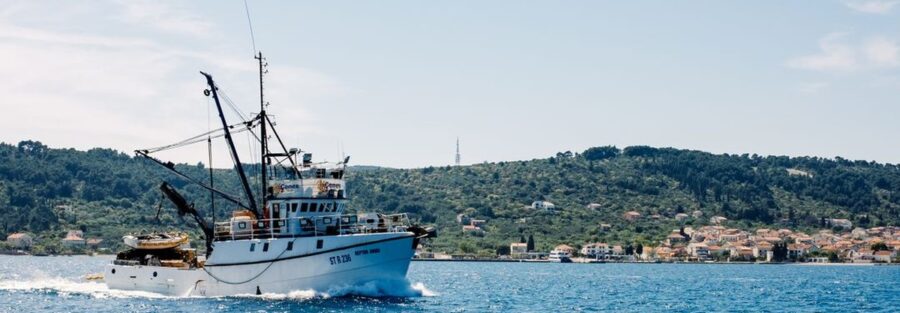
On 16 November 2023, the prawn trawler entered Loch Broom at 7.7 knots.
At 1946, it grounded on rocks.
The skipper had fallen asleep on watch.
The obvious explanation is fatigue.
The skipper had slept for approximately four hours during the previous 36 hours.
Sleep debt from the current and previous fishing runs had reached 18 hours.
There had also been an overnight repair to the deck wash pump.
The skipper knew they were tired.
They opened the wheelhouse window and made coffee. Both actions followed the available fatigue guidance.
They were not enough.
The wheelhouse was warm, comfortable and dark. The vessel continued under autopilot while the skipper navigated visually towards Ullapool.
After passing Carn Skerries, the course over ground drifted only 3° to starboard.
That was enough.
The plotter could not provide off-track, route-deviation or safety-contour alarms. There was no watch alarm to demand a response from the person at the controls.
Yet the risk itself was already documented.
Sustain’s vessel safety risk assessment identified ineffective watchkeeping leading to grounding. Its controls included calling another crew member when the watchkeeper felt tired and having a working watch alarm.
Neither barrier controlled this passage.
One had not been installed.
The other depended on the skipper deciding when fatigue had become unsafe.
That is a weak feedback loop.
Fatigue does not simply reduce alertness. It also reduces the reliability of the judgement expected to trigger the backup control.
The person creating the exposure was also the person expected to detect it, assess it and escalate it.
No independent cue closed that gap.
Commercial pressure made the decision harder. The skipper had worked until 0200, but losing the next fishing day meant losing catch within limited weather and daylight windows.
Continuing could still feel operationally reasonable. The accumulated sleep debt remained largely invisible.
This matters beyond fishing vessels.
A fatigue risk assessment can name the hazard correctly and still leave the vessel dependent on self-diagnosis. “Call someone if tired” sounds practical until the watchkeeper’s judgement is already degraded.
For a DPA or Fleet Manager, trace the complete barrier.
Who observes the watchkeeper’s condition?
What creates an independent warning?
Who can intervene before the watchkeeper asks?
And can the vessel continue operating when that person is unavailable?
A documented control is not enough when its activation depends on the impairment it is meant to control.
In your fatigue risk assessment, which barrier still works after the watchkeeper’s judgement has started to fail?
#MaritimeSafety #FishingVessels #Grounding #Watchkeeping #HumanFactors
