
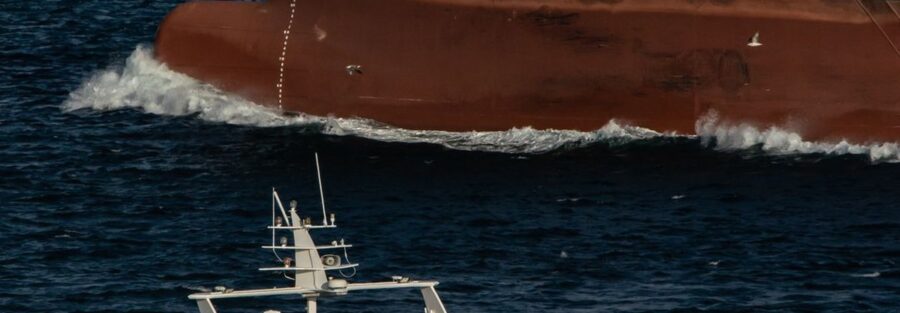
Collision between the. Who can stop a tender departure when the person creating the risk represents the owner?
A tender left for a recreational visit to a restaurant in Göcek.
The passage was unplanned.
It relied on the owner’s representative’s local knowledge. The chart plotter was not used to avoid hazards or keep the tender on track.
At impact, its speed over ground was about 27 knots.
The limit in that part of the harbour was 10 knots. It had been issued three days before the accident.
Ahead, the RIB Vega was drifting with its engine stopped.
Its side lights were switched off. Only one all-round white light remained visible.
The tender rode over Vega’s port quarter.
The coxswain was knocked overboard. The passenger was trapped beneath the tender and died from collision injuries and drowning.
Excessive speed is the obvious failure.
So are the unplanned passage, the unused plotter and Vega’s incomplete navigation lights.
But none explains why the tender left the quay under those conditions.
The master did not challenge its recreational use. The investigation found no evidence that the master considered using their authority to prevent the trip.
That matters because the SMS established the master’s overriding authority.
Yet the same SMS did not specify the role, responsibilities or authority of an owner’s representative.
One role carried formal responsibility.
The other carried proximity to ownership, without a defined operational boundary.
The control therefore depended on the master acting across an authority gap the company had not described.
A paragraph granting overriding authority cannot resolve that gap by itself.
The master must know when to intervene. The owner’s representative must know when the master’s decision is final. The crew must know where concerns go if those positions conflict.
Otherwise, authority exists only until it becomes uncomfortable to use.
The actions taken after the collision are revealing.
The company updated its SMS policy for tender use at night. The format of the letters defining the master’s responsibility and authority was also amended.
For a DPA, checking the overriding authority clause is not enough.
Run the decision at the quay.
Who approves a recreational tender trip?
Who checks fitness, speed restrictions, passage planning and flotation devices?
Who can refuse departure when the request comes from someone representing the owner?
And what happens next if the master’s refusal is challenged?
If the answer depends on personal confidence rather than a defined escalation path, the authority is formal but the control is not.
Would your master’s overriding authority survive a direct conflict with the owner’s representative?
#MaritimeSafety #MarineAccidentInvestigation #SafetyManagement #Collision #ISMCode
